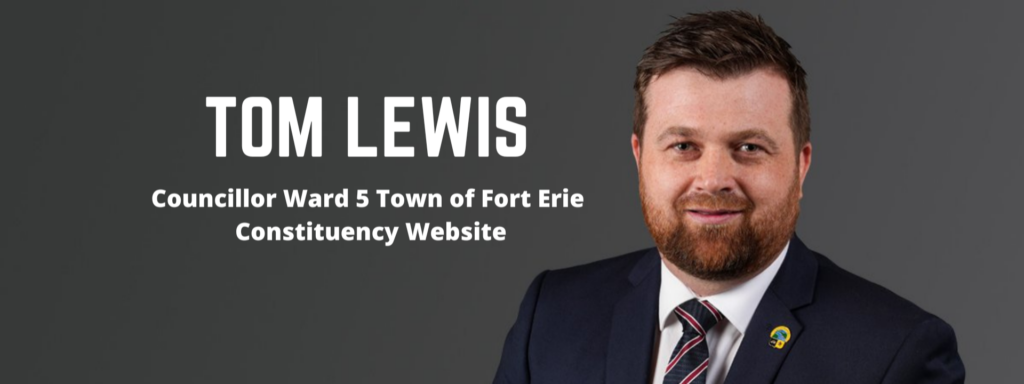
Every year, Council is tasked with one of its most important responsibilities — approving a municipal budget that balances fiscal responsibility with the needs of our growing community. The Town of Fort Erie’s budget isn’t just a financial document; it’s a reflection of our priorities, our values, and our long-term vision for the town we all call home.
I often hear from residents who want to better understand how the budget works and where their tax dollars go. I hope this overview helps shed some light on that process and what the current budget means for Fort Erie.
How the Town’s Budget Is Structured
Fort Erie’s budget is made up of three key components:
Operating Budget
This covers the day-to-day services residents rely on — things like fire and emergency services, road maintenance, parks and recreation, libraries, by-law enforcement, and the operation of Town facilities. Simply put, this is what keeps the Town running smoothly each day.
Water & Wastewater Budget
This budget ensures we continue to deliver safe, reliable drinking water and properly manage wastewater systems. These services are critical to public health and environmental protection and are funded separately from property taxes.
Capital Budget
The capital budget focuses on longer-term investments — roads, bridges, sidewalks, watermain replacements, parks, and major equipment. These are the projects that maintain and improve our infrastructure and prepare Fort Erie for future growth.
Highlights from the 2026 Budget
In January, Council approved the 2026 municipal budget following months of review, discussion, and careful consideration. Our goal was to maintain service levels residents expect while continuing to invest in infrastructure — all while being mindful of affordability.
- The Operating Budget comes in at just under $39 million, supporting essential municipal services across the Town.
- The Water and Wastewater Budget, at approximately $27.2 million, allows us to continue upgrading and maintaining critical systems. For the average household, this translates to a modest monthly increase, reflecting rising operational and infrastructure costs.
- The Capital Budget includes roughly $23.8 million across more than 60 projects. These investments include road resurfacing, watermain replacements, bridge and culvert rehabilitation, and park improvements — projects residents see and benefit from every day.
Importantly, these capital investments are being made without taking on new long-term debt for 2026, which was a key consideration for Council.
What This Means for Residents
No one takes tax or rate increases lightly — Council included. The Town’s portion of residential property taxes increased by 3.5%, a decision made to ensure services remain reliable while keeping Fort Erie financially stable.
We continue to make strategic use of reserves and non-tax revenue sources to reduce pressure on taxpayers wherever possible. This balanced approach helps ensure we’re meeting today’s needs without creating challenges for the future.
Transparency and Accountability
I firmly believe residents deserve clear, accessible information about how their money is being spent. The Town’s Budget & Finances page provides detailed budget documents, financial reports, and background information for anyone who wants to take a deeper look.
If you ever have questions about the budget, I encourage you to reach out — these conversations matter, and informed discussion makes our community stronger.
Together, we are continuing to build a Fort Erie that is financially responsible, resilient, and well-positioned for the years ahead.